

Hollywood buyers and sellers are navigating a market where the right property, price, and timing can matter more than broad headlines. Inventory, condition, insurance costs, condominium rules, and waterfront proximity can all shape a decision. A focused look at active competition helps buyers prepare stronger offers and helps sellers position a home with purpose.
Reading the Hollywood Market Beyond the Headline
Home-price conversations often begin with one big number: the latest median sale price. That figure can be useful, but it does not tell the full story of Hollywood real estate. A condominium near the coast, a townhome with a newer roof, a single-family home west of Federal Highway, and a waterfront residence may each respond to different buyer demand, financing considerations, and competing inventory. The most useful market view starts by comparing like with like.

For buyers, the key question is not simply whether prices are rising or falling. It is whether the homes that match their preferred location, property type, monthly budget, and condition standards are accumulating or moving quickly. A well-maintained home with a practical layout can attract attention even when overall inventory is growing. Conversely, a property that needs updates or is priced above similar active listings may spend more time on the market.
For sellers, this difference is equally important. Buyers can see competing homes online within minutes, so a listing is measured against current alternatives rather than against a sale from many months ago. Accurate pricing, clear disclosure of upgrades, high-quality preparation, and a plan for showing access can influence how quickly a property earns serious consideration.
The most relevant “comps” are active listings and recent closed sales with similar location, property type, condition, and ownership costs—not a single citywide average.
Hollywood’s range of housing options is part of what makes careful analysis valuable. Homes can vary substantially by proximity to the beach, access to major roadways, age of construction, association structure, parking, outdoor space, and renovation level. A pricing strategy that works for one segment may not translate neatly to another. Before making a move, review the newest listings, pending activity, recent sales, and any price reductions in the specific category you are considering.
Inventory Is a Negotiation Clue, Not a Verdict
Inventory is often described as either a buyer’s market or a seller’s market, but real transactions are more nuanced. When more homes are available, buyers may have extra time to compare layouts, evaluate building records, and consider repair needs. That does not automatically mean every seller should expect steep concessions. Properties that present well and align with current buyer expectations can still command close attention.
Look at inventory alongside days on market and the pace of new listings. If fresh homes are arriving faster than properties are going under contract, buyers may have more choices over time. If desirable listings are disappearing shortly after they appear, waiting for a better deal can become costly. The goal is to recognize the pace of the segment you are shopping, rather than applying a broad countywide narrative to every address.
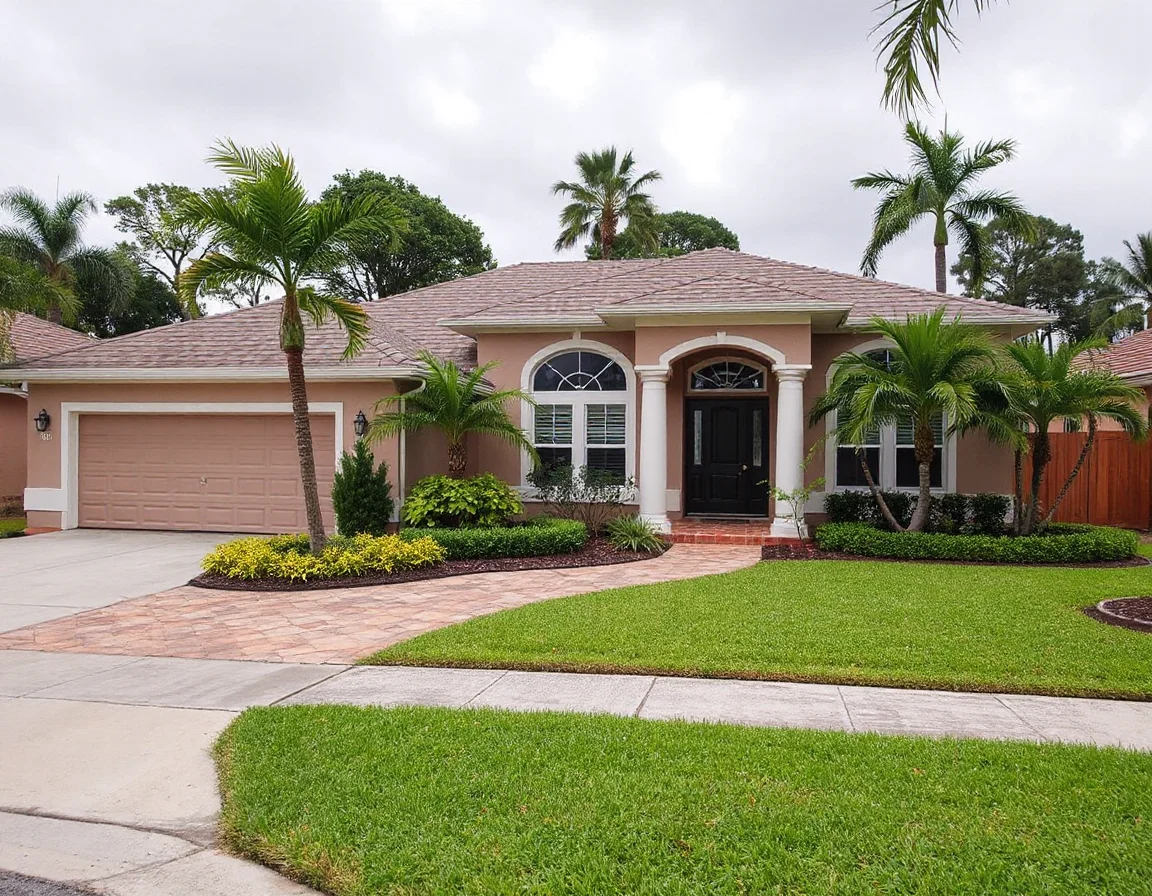
Buyers can use inventory to organize their search rather than to delay it indefinitely. Start with a defined monthly comfort range that includes principal, interest, property taxes, insurance, association fees where applicable, and anticipated maintenance. Then identify which features are priorities and which are flexible. A home with a newer roof, impact protection, updated systems, or a financially sound association may offer a different long-term ownership picture than a lower-priced alternative requiring immediate work.
Sellers can use the same lens. If multiple similar homes are active, the listing needs a clear reason to stand out. That might be move-in-ready condition, thoughtful staging, documented improvements, realistic pricing, or a carefully targeted launch date. If there are few comparable options available, the opportunity is to be precise rather than overly ambitious; buyers still weigh value against recent closed sales and carrying costs.
A price reduction can create attention, but the strongest first impression usually comes from entering the market at a price supported by the homes buyers can tour that same week.
Condominium inventory deserves special attention in Hollywood because association documents, reserves, assessments, insurance, rental policies, and building maintenance can affect both affordability and financing. Buyers should allow adequate time to review the association materials and ask questions that relate to their purchase. Sellers can make the process smoother by gathering available documents, improvement records, and useful building information before a buyer requests them.
What Buyers Should Watch Before Writing an Offer
A competitive offer is about more than the number on the first page. Financing readiness, inspection timing, appraisal considerations, closing date, and requested concessions all influence how an offer is received. Buyers who have spoken with a lender, reviewed expected ownership expenses, and narrowed their priorities can move with more confidence when the right home appears.
Pay close attention to condition and recurring costs. In South Florida, roof age, drainage, windows, electrical systems, air conditioning, wind-mitigation features, and insurance availability can all shape the practical cost of ownership. For a waterfront or coastal property, ask additional questions about building maintenance, flood-zone information, seawalls where relevant, docks, and any rules connected to the property. The objective is not to avoid older homes or condominiums; it is to understand the responsibilities attached to each option.
It also helps to separate a home’s list price from its value to you. A property that solves important location and layout needs may merit a different approach than one that requires several compromises. Reviewing recent nearby sales with a real estate professional can clarify whether the asking price reflects current competition, distinctive upgrades, or a seller’s aspirational target.
Learn about buyer representation
What Sellers Should Watch Before Going Live
Sellers benefit from preparing early. Start with a candid review of deferred maintenance, clutter, lighting, paint touch-ups, landscaping, and the condition of high-visibility spaces such as kitchens, bathrooms, entryways, and outdoor areas. Not every property needs a major renovation before listing, but every home benefits from a plan that makes its strengths easy to see.
Then evaluate the competition as a buyer would. Which homes have updated photos? Which have reduced their asking prices? Which features appear repeatedly in recent sales? The answers can guide both pricing and presentation. A detailed market analysis should consider location, square footage, lot size where applicable, improvements, association fees, parking, views, and the condition of comparable properties.
Hollywood’s market rewards preparation and local context. Whether the next step is searching for a home, selling a current property, or weighing both moves at once, a clear look at live inventory and recent results creates a stronger foundation. The best strategy is not built around a headline—it is built around the property, the financial details, and the choices available right now.