

Whether you are preparing to list or narrowing a home search, the strongest decisions in Palm Beach County begin with a clear plan: realistic pricing, property-specific research, and room to respond when conditions change. The details that matter most are rarely just the list price—they are financing, insurance, association rules, inspections, timing, and the terms written into the contract.
Start With the Numbers Behind the Number
A sale price is the headline, but it is not the whole real estate story. Buyers benefit from looking at the complete monthly and upfront cost of ownership, while sellers benefit from understanding what competing properties actually offer at similar price points. In Palm Beach County, the mix of single-family homes, condominiums, townhomes, waterfront residences, and seasonal inventory makes property-by-property comparison especially important.
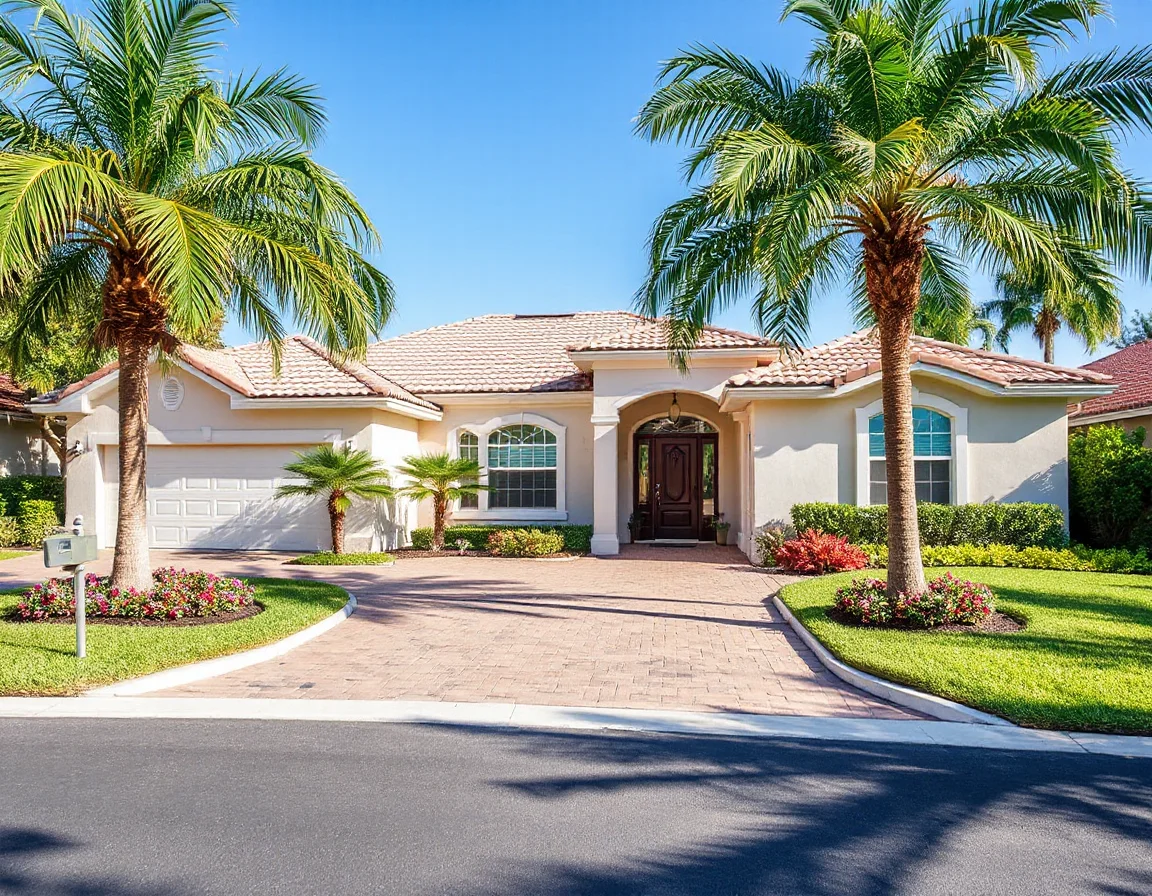
For buyers, that means reviewing more than bedroom count and square footage. Ask about property taxes, homeowners or condominium association assessments, current insurance requirements, reserves when applicable, parking arrangements, rental policies, and any planned building work or community improvements. A lower purchase price can carry different ongoing costs than a comparable home nearby, so a thoughtful budget should leave room for the full picture.
Sellers can take the same broader view when setting a strategy. The most useful comparable sales are recent, nearby, and similar in property type, condition, location, and features—not simply the highest sale posted in a large area. A home with renovated systems, flexible living space, outdoor features, or an updated kitchen may compete differently than one with a similar floor plan that needs work. Clear preparation and accurate positioning help buyers understand that distinction quickly.
The most productive pricing conversations compare active competition, pending activity, and recent closed sales together. Each category answers a different question about what buyers can choose, what they are pursuing, and what they have already paid.
Market conditions can shift by neighborhood, building, price range, and even by the condition of a particular listing. Rather than relying on a broad countywide headline, ask for a current market analysis tied to the home or search area you are considering. It is a practical way to make a decision based on today’s inventory rather than last season’s assumptions.
Inspect the Details That Affect Daily Ownership
South Florida homes are built for a distinctive climate, and due diligence should reflect that. Roofing age and condition, storm protection, electrical systems, plumbing, HVAC performance, drainage, pool equipment, seawalls, docks, windows, and doors can all influence maintenance planning, insurance options, and negotiations. Not every property will have every feature, but every property deserves a careful review of the systems it does have.

Buyers should use the inspection period to understand a property rather than merely searching for a reason to renegotiate. Licensed inspectors and appropriate specialists can help clarify the condition of major components, identify visible concerns, and distinguish routine maintenance from projects that may require more planning. Insurance professionals and lenders can also provide important guidance early in the process, particularly when a property has older systems or sits near the coast or a waterway.
Condominium and homeowners association documents deserve the same attention. Review the budget, rules, assessments, available financial information, application process, maintenance responsibilities, and any disclosed projects. Condominium buyers may also want to ask how common elements are maintained and what services are included in monthly assessments. These documents offer context for the property’s operating structure and can be just as meaningful as finishes inside the unit.
For sellers, making available records for permits, improvements, service history, warranties, association documents, and utility information can reduce uncertainty. A clean, organized information package helps buyers and their representatives evaluate the home efficiently. It also creates a more credible presentation than a listing that leaves major questions unanswered until late in the transaction.
A well-timed inspection response is not always about the largest credit or repair list. It is about matching the proposed solution to documented conditions, contract terms, and the transaction’s timeline.
Make Terms and Timing Work Together
Offer price matters, but so do the terms surrounding it. Financing type, down payment, deposit schedule, inspection window, appraisal provisions, closing date, occupancy arrangements, and requested personal property can all change the practical strength of an offer. A seller comparing two similar prices may see meaningful differences in certainty and convenience. A buyer may find that carefully structured terms improve the chance of an offer being considered without stretching beyond a comfortable financial plan.
Timing deserves deliberate attention as well. Buyers can prepare by discussing lending options before touring extensively, gathering proof of funds when relevant, and keeping a realistic calendar for inspections, association approval, and closing. Sellers can prepare by identifying move-out needs, completing targeted repairs, gathering documents, and deciding which improvements are likely to make a visible difference. The goal is not to make a property look artificially perfect; it is to make the transaction easier to understand and manage.
In a competitive situation, communication and documentation are often decisive. A complete offer package, fast responses to reasonable questions, and a clear explanation of important terms can help keep momentum. For listings, accurate disclosures and professional presentation establish a better foundation for showings and negotiations. Both sides benefit when expectations are explicit rather than assumed.
Learn about buyer representation in South Florida
Use Local Knowledge Without Losing Sight of Your Goals
Palm Beach County offers a broad range of settings, from coastal condominiums and waterfront homes to established residential streets, golf-oriented communities, and newer construction. Transportation routes, parks, beach access, medical services, dining districts, cultural venues, municipal services, and association structures vary considerably from place to place. The right research turns those facts into useful decision criteria based on your preferred location, property features, budget, and ownership plans.
For people relocating, an in-person visit can be useful, but it is only one part of the process. Review property disclosures, public records, community documents, maps, commute routes, and current listings alongside a guided conversation about your priorities. For local sellers, the same localized perspective can reveal which features deserve emphasis and which preparation steps are likely to matter most to current buyers.
The strongest Palm Beach County transactions are built on preparation rather than pressure. Buyers who understand their costs and contingencies can act with greater confidence. Sellers who present a home honestly, price it with current evidence, and stay organized can negotiate from a steadier position. With a clear strategy and current information, the next move can be both practical and well considered.