

Fort Lauderdale offers more than a beach-day backdrop: its daily rhythm can include waterfront paths, neighborhood parks, dining districts, cultural venues, and access to major South Florida routes. Whether you are comparing a condominium near the Intracoastal or a single-family home farther inland, understanding how each area connects to the places you use most can make a home search more focused and confident.
A Coastal City With Many Ways to Spend the Day
Fort Lauderdale’s appeal starts with water, but it does not end there. The Atlantic shoreline, canals, Intracoastal Waterway, marinas, and rivers create a setting that feels distinctly coastal while still supporting a practical, active daily routine. Residents can move between beach access points, outdoor recreation, cultural destinations, groceries, professional services, and major roadways without needing every plan to revolve around a single district.
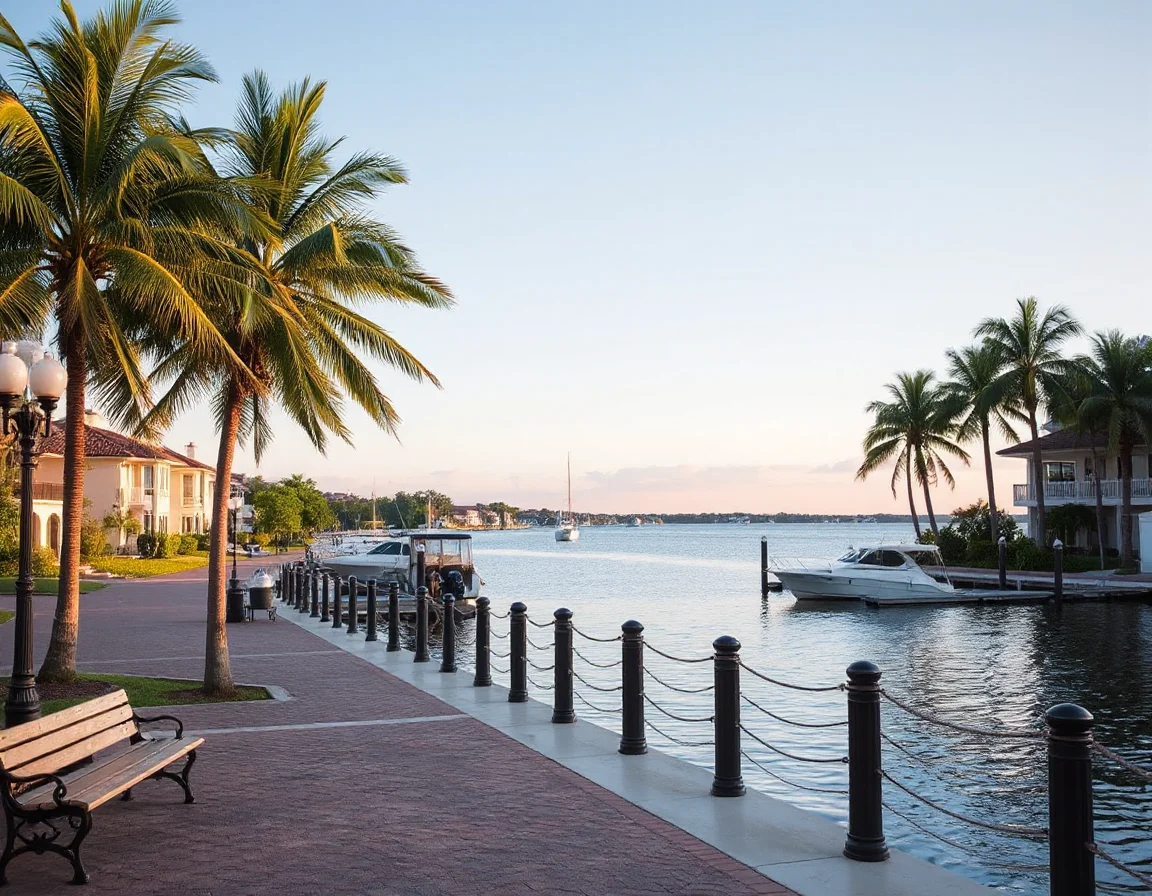
Along the beach, the oceanfront promenade provides space for walking, cycling, and taking in the changing light over the water. Nearby public parks and waterfront green spaces add another layer of outdoor access, from shaded paths to places for casual recreation. The landscape matters when comparing homes here: a property may be close to the ocean, directly on a canal, near a park, or positioned for easier access to downtown activity, and those distinctions shape both the experience of the home and its market position.
Beyond the shoreline, the city’s network of waterways influences architecture and everyday logistics. Some homes feature docks, water views, boat access, or outdoor areas designed around the canal system. Others trade waterfront proximity for larger lots, different building styles, or a location closer to employment centers and regional transportation. There is no single “Fort Lauderdale lifestyle”; the right fit depends on how you want to use your space, commute, entertain, and spend time outdoors.
When comparing waterfront properties, look beyond the view. Dock configuration, bridge clearances, maintenance responsibilities, insurance considerations, and local regulations can all affect how a property functions over time.
The city also offers a notable range of housing types. High-rise and mid-rise condominiums can place residents near waterfront activity and established corridors, while townhomes and single-family residences appear across many areas of the city. Architectural styles range from classic Florida ranch homes and renovated bungalows to contemporary new construction and luxury waterfront estates. Seeing several property types in person is often the quickest way to understand which trade-offs matter most to your search.
Parks, Culture, and Everyday Destinations
Daily convenience in Fort Lauderdale comes from the mix of recreation and services throughout the city. Hugh Taylor Birch State Park offers a prominent natural setting between the ocean and Intracoastal area, with trails, native landscape, and places to enjoy a quieter stretch of South Florida scenery. City parks, neighborhood recreation facilities, golf options, and waterfront walkways provide additional opportunities to get outside without planning a full-day excursion.

For dining, arts, and evening plans, Las Olas Boulevard and nearby central districts are frequently part of the conversation. These areas bring together galleries, performance venues, outdoor gathering spaces, and a broad selection of dining experiences. The Riverwalk area adds another connection point, linking waterfront scenery with cultural attractions and public events. It is worth visiting at different times of day; traffic patterns, parking availability, ambient activity, and the pace of the area can feel different on a weekday morning than on a weekend evening.
Those considering a move may also want to map the essentials: preferred grocery options, healthcare providers, fitness facilities, libraries, parks, and routes to work or the airport. Fort Lauderdale-Hollywood International Airport is a major convenience for many travelers, while Interstate 95, Federal Highway, and other major corridors support trips throughout Broward, Miami-Dade, and Palm Beach counties. Actual travel time varies by starting point and time of day, so testing routes from a prospective home is more useful than relying on a map alone.
Education is another practical research category. School attendance boundaries, enrollment procedures, program availability, transportation policies, and ratings can change, so buyers should verify current information directly with the appropriate school district or school. Private and higher-education options are also available throughout the broader region, giving residents multiple resources to explore based on their own needs and preferences.
Explore Fort Lauderdale community details
How Location Shapes a Fort Lauderdale Home Search
In a city with so many distinct pockets, the first question is often not simply “What home do I want?” but “What do I want to be near?” A buyer who prioritizes beach access may evaluate parking, building amenities, storm preparation, and distance to the sand differently than someone focused on canal access or a central location. A condo search can involve reviewing association financials, rental policies, reserve planning, fees, building maintenance, and any pending assessments. For a single-family home, lot size, roof age, drainage, renovation history, outdoor living areas, and flood-zone details may deserve close attention.
Waterfront and luxury properties often add another layer of due diligence. Seawalls, docks, lifts, permits, navigability, and the condition of marine improvements should be reviewed carefully. Insurance costs and coverage options can vary by property characteristics, and buyers benefit from gathering estimates early rather than treating them as a final checklist item. The same careful approach applies to older homes, newly renovated properties, and new construction: verify what has been updated, who completed the work, and what documentation is available.
Market conditions can vary meaningfully from one property type to another. A well-priced condominium with a strong location may draw interest quickly, while a distinctive waterfront home may require a more tailored pricing and marketing strategy. Rather than relying on broad headlines, it helps to examine recent comparable sales, active competition, days on market, condition, view, outdoor features, and association considerations. A detailed market analysis turns a general impression into a decision grounded in the current inventory.
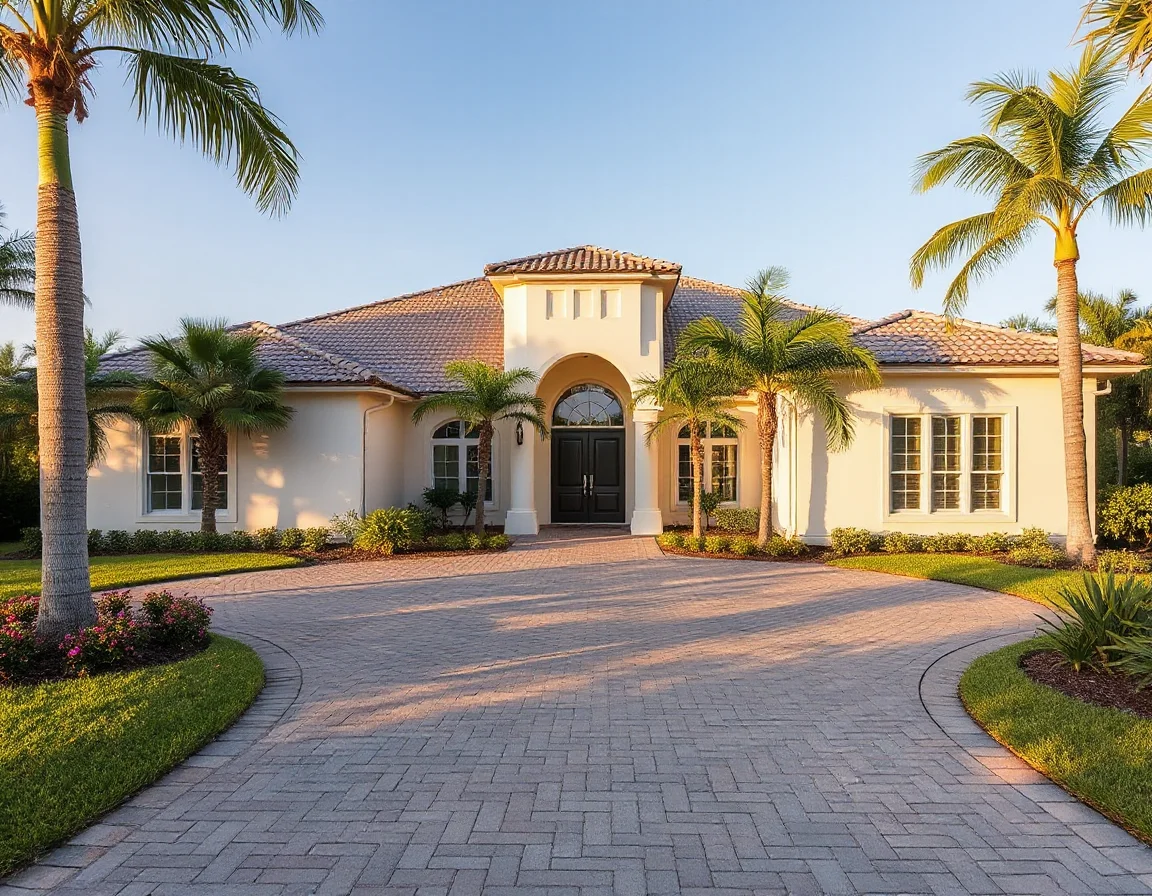
For sellers, this variety makes preparation especially important. A property’s presentation should highlight the features that have real value to today’s buyers, whether that is a renovated kitchen, flexible living space, hurricane-impact improvements, a pool patio, a dock, or proximity to a desired destination. Thoughtful pricing, polished photography, accurate property details, and a clear plan for showings can help a listing stand out without overstating what the home offers.
For buyers, the goal is to keep the search broad enough to reveal options while staying disciplined about the details that affect ownership. A strong offer is not only about price; it can also include financing readiness, inspection planning, realistic timelines, and a clear understanding of the property’s condition. Negotiation works best when it is informed by the home, the market, and the terms that matter to both sides.
Search Fort Lauderdale listings
Finding Your Own Version of Fort Lauderdale Living
The most rewarding way to explore Fort Lauderdale is to experience it in layers. Spend time near the beach, walk a waterfront path, visit a park, drive the routes you expect to use, and compare housing styles across several areas. Notice the small details: the shade on a street, the access to a bridge or highway, the sound around a building, the distance to everyday errands, and the condition of nearby homes.
With a mix of coastal scenery, waterways, outdoor spaces, cultural activity, and varied real estate, Fort Lauderdale gives home buyers and sellers plenty to consider. A focused plan, current market information, and careful property-level research can help turn that variety into a clear next step—whether you are relocating within South Florida, considering a waterfront property, or preparing to bring a home to market.